Balancing Speed, Choices & Creativity: Priyanshu’s Flipr Hackathon Journey

Student: Priyanshu Das
Year: 4th Year, NIT Agartala
Hackathon: Flipr Hackathon 27.2
Background
When you already have full-stack experience, hackathons stop being about just learning new tools — they become about building real projects within real constraints.
For Priyanshu Das, a 4th-year student from NIT Agartala, Flipr Hackathon 27.2 was exactly that challenge.
He joined the hackathon to understand how much he could build with a team, under limited time, and with the pressure of picking the right features — not all features.
A place where every decision has impact.
The Challenge
In his own words, the biggest challenge was finding the right balance between:
- Time,
- Features, and
- Solution clarity.
A hackathon forces you to ask tough questions:
What features matter?
Which ones can wait?
How do you solve a problem statement without overcomplicating the flow?
Priyanshu quickly learned that the ability to choose well is just as important as the ability to code well.
The Hackathon Experience
Priyanshu describes his Flipr experience simply as:
“It was good and I learned new things.”
But beneath that modest summary lies a weekend full of ideation, coordination, late-night debugging, and fast-paced decision-making.
The environment helped him understand how teams think, how features evolve, and how important it is to stay aligned when the clock is ticking.
And he walked away with a deeper understanding of how real-world tech teams operate under pressure.
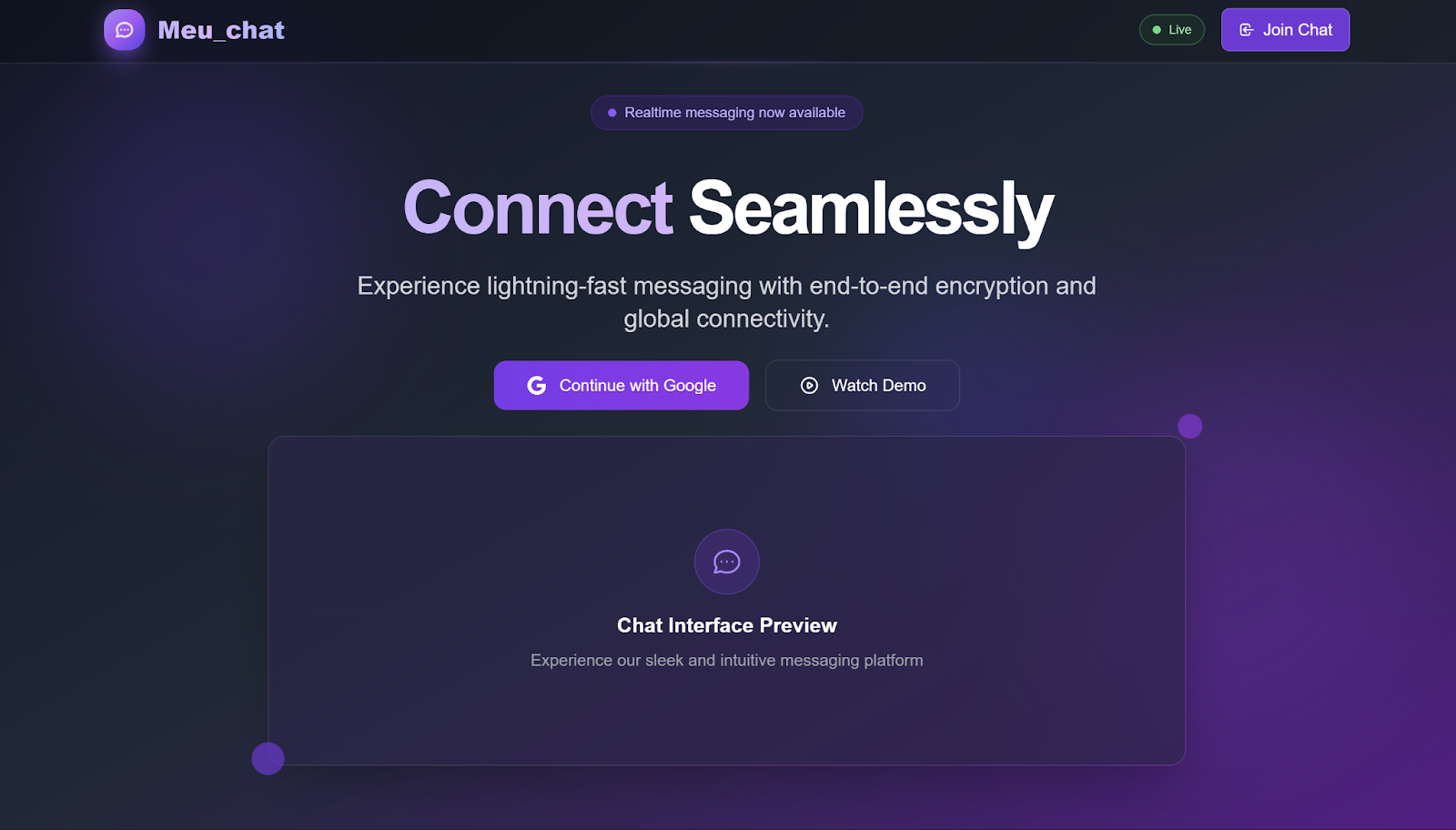
The Project
Every hackathon project has its unique flavor.
For Priyanshu, it wasn’t just about writing code — it was about defining the project itself.
He took ownership of deciding:
- What features would be included,
- How they should be implemented,
- And how to make the solution meaningful without overloading it.
His strength wasn’t just in development — it was in shaping the direction of the entire build.
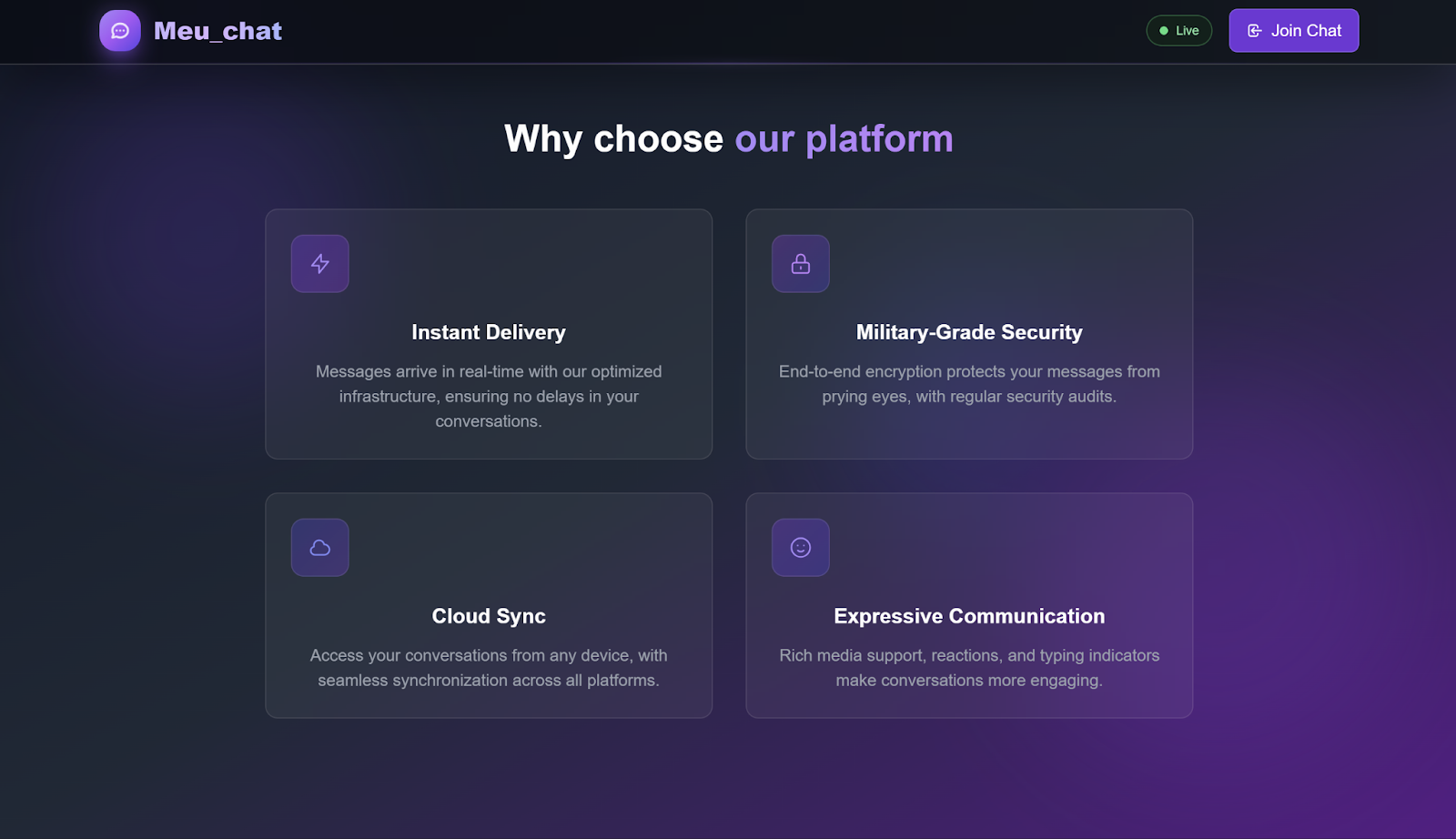
Priyanshu’s Contribution
Priyanshu played a central role in the architecture and planning phase — the part of the project where ideas become actionable steps.
He made decisions around:
- Which features were essential,
- Which features were feasible under time,
- How the flow should be structured,
- And how the implementation should be split across the team.
This mindset — knowing what to build before asking how to build it — is what truly elevated the project.
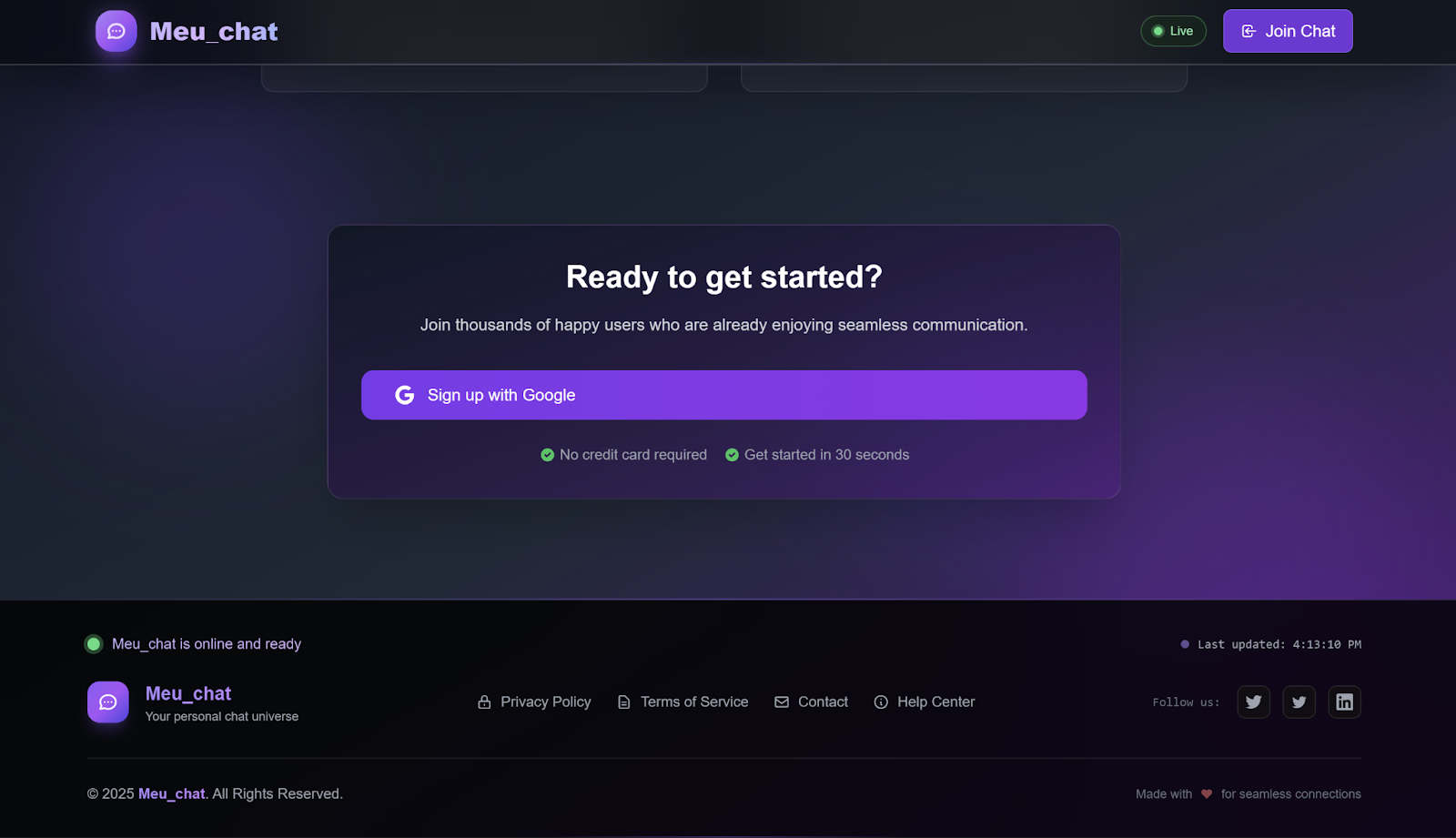
Outcome & Reflection
By the end of the hackathon, Priyanshu didn’t just have a project — he had a new perspective.
He learned that:
- Time constraints force clarity,
- Choosing the right features is a skill,
- Real-world builds depend on teamwork,
- And the best experiences come from solving problems that feel unique to your chosen domain.
He walked away with experience, direction, and a deeper respect for the planning side of engineering.
His biggest realization?
“You only grow when you work on something unique to your domain — something that challenges how you think.”
Student Quote
“Hackathons teach you to balance time, features, and clarity.
You get to experience something that’s unique to the project you build and the domain you’re in.”
Closing Thoughts
From feature selection to team coordination to solving a real problem under pressure, Priyanshu’s journey through Flipr Hackathon 27.2 is a reminder that building isn’t just about speed — it’s about choices.
He came in with skills.
He left with confidence, clarity, and growth.
At Flipr Labs, that’s exactly what we aim to create — spaces where students learn how to think, plan, and build like real engineers.
Because in the end, it’s not just the code you write — it’s the decisions you make that shape what you build.